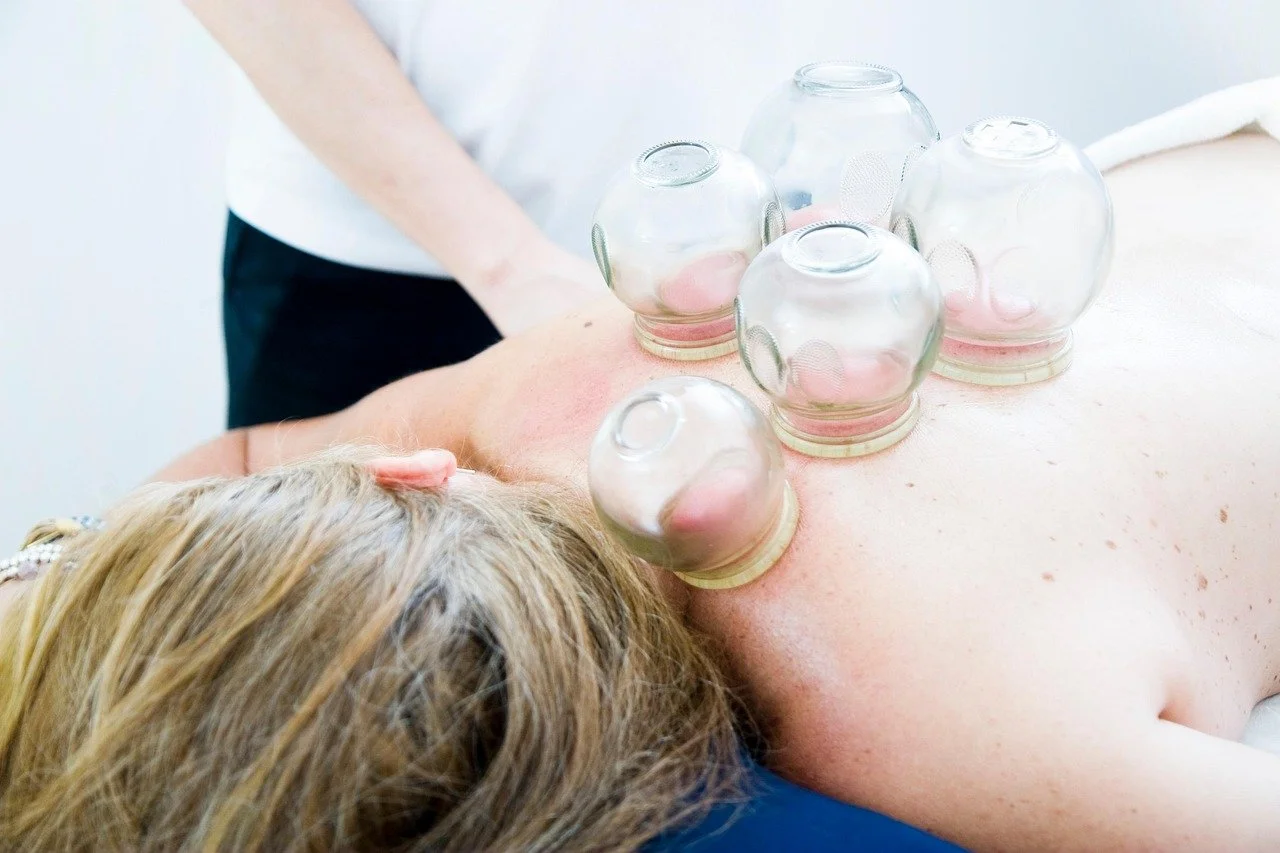
Cupping for pain relief uses suction to increase local blood flow, release muscle tension, and influence the body’s pain-processing mechanisms. Cupping therapy is an alternative medicine practice that involves placing cups, typically made of glass, bamboo, or silicone, on the skin and applying suction to create a vacuum. The two main techniques are dry cupping and wet cupping.
Cupping is used by people with muscle tension, chronic pain, inflammation, and injuries. The effects of cupping on circulation, tension release, and pain modulation make it an excellent complementary treatment for patients with a wide range of conditions.
Ways in Which Cupping Reduces Pain
The effects of cupping therapy on pain are traditionally understood through Eastern concepts like energy flow and meridians. However, modern research has identified ways in which cupping helps with pain via its effects on blood flow, soft tissues, and the way pain signals are processed through the central nervous system.
Dry, wet, and fire cupping stimulate the body in distinct ways. An experienced practitioner will consider your condition, the location and type of pain you are feeling, and any contraindications when deciding which technique is most appropriate. They may also recommend combining cupping with acupuncture, massage, and herbal remedies.
Increased Circulation
The suction created by cupping draws the skin and underlying tissue upward. This increases blood flow to the treated area. Increased circulation is one possible explanation for cupping's effects on pain and recovery, as improved blood flow supports the tissues around painful areas.
Tension Release
Cupping loosens tight muscles and soft tissues. The pulling sensation created by the suction reduces tension and stiffness and relieves discomfort. Many patients report improved movement after cupping sessions.
Pain Modulation
Cupping influences how the nervous system processes pain. The stimulation created by suction activates sensory nerves in the skin and underlying tissues. This affects the transmission and perception of pain signals.
Theories About Cupping Therapy and Pain Relief
Several theories have sought to explain how cupping therapy relieves pain. These include the gate control theory of pain, conditioned pain modulation, and the reflex zone theory.
Gate Control Theory of Pain
The gate control theory of pain suggests that the perception of pain can be blocked or reduced by stimulating non-painful sensory nerve fibers. These nerve fibers send signals to the brain that compete with and ultimately override the pain signals being sent from other nerves.
This theory is named for the gate control system within the spinal cord, which regulates how much of a pain signal reaches the brain and how it is interpreted. Activating non-painful sensory nerves by stimulating mechanoreceptors through cupping’s suction on the skin effectively “closes the gate” to incoming pain signals.
Conditioned Pain Modulation
Conditioned pain modulation (CPM) is another proposed mechanism that may explain pain relief following cupping therapy. CPM involves endogenous pain-modulatory pathways through which a noxious conditioning stimulus can inhibit the response to another painful stimulus.
In simpler terms, if you experience pain in one area of your body and then apply cupping therapy to that area, it may activate your natural pain relief mechanisms and make you less sensitive to subsequent pain stimuli. This means you may experience less pain in general over time.
Reflex Zone Theory
Reflex zone theory is based on the belief that specific areas on the body, known as reflex zones or points, are connected to other bodily organs and systems. Applying pressure to these points is thought to relieve pain and promote healing.
The theory suggests that by stimulating these reflex zones, energy flow within the body can be restored, allowing for optimal functioning of all bodily systems. This holistic approach recognizes that different parts of the body are interconnected and treating one part can have a positive effect on another.
Practitioners who subscribe to the reflex zone theory often focus on massaging or pressing specific points on the feet, hands, ears, or face, and may use a combination of acupressure, massage therapy, and cupping therapy.
Types of Pain for Which Cupping Is Used
Cupping is used to relieve nerve pain, inflammatory pain, and musculoskeletal pain and tension in the back, neck, shoulders, and other parts of the body. At our clinic in Beverly Hills, Los Angeles, we frequently provide cupping for sciatica and cupping for plantar fasciitis, among other pain-related conditions.
Does Cupping Help With Nerve Pain?
Cupping may help to relieve nerve pain, particularly when combined with nerve-gliding exercises. A study in people with diabetic peripheral neuropathy found that dry cupping combined with nerve-gliding exercises led to greater improvements in pain intensity, mobility, sensory function, and overall neuropathy severity than dry cupping alone. These findings suggest that combining the two approaches could provide greater benefits for people experiencing nerve-related pain.
Does Cupping Help Nerve Damage?
Some research has shown cupping to help nerve damage in certain circumstances. A 2021 systematic review protocol considered whether cupping therapy could improve outcomes in people with intractable peripheral facial paralysis. This condition involves damage to the facial nerve. The authors noted that cupping had been used for this condition and proposed that increased local blood flow could support tissue repair.
Other clinical research suggests that cupping could help improve symptoms associated with nerve conditions. For example, a randomized clinical trial involving people with carpal tunnel syndrome found that cupping combined with routine physiotherapy improved symptom severity and sensory function compared with physiotherapy alone.
Does Cupping Help With Inflammation?
Recent research suggests that cupping helps with inflammation, with potential benefits for inflammatory pain:
Inflammatory markers were lower in athletes who received cupping therapy. This suggests that cupping is an effective way to mitigate inflammation caused by high-intensity exercise.
Cupping therapy may be effective as an additional treatment route similar to anti-inflammatory drugs in cancer patients. It may improve the effectiveness of conventional cancer therapy and immunotherapy.
The “activation of the immune system” theory suggests that cupping’s anti-inflammatory effects may be linked to changes in the immune and hormonal systems.
Types of Cupping Used for Pain Relief
Cupping techniques differ in how suction is created, whether or not the skin is broken, and how the cups are applied. The main types used for pain relief are dry cupping, wet cupping, stationary cupping, moving cupping, and fire cupping.
Dry Cupping
Dry cupping involves placing cups on the skin and creating suction without making any incisions. Suction can be produced using heat, as in fire cupping, or with a mechanical pump. The cups are used to target areas of muscle tension and pain and are typically left in place for several minutes.
Wet Cupping
Wet cupping combines suction with small superficial skin incisions. The cups are applied after the skin is lightly punctured, allowing a small amount of blood to be drawn into the cup. Wet cupping is traditionally used for chronic pain, migraines, skin issues, and systemic health problems.
Stationary Cupping
Stationary, or fixed, cupping involves leaving one or more cups in place for several minutes. This creates sustained suction over a specific area and is commonly used to target localized muscle pain and tension.
Moving Cupping
Moving (a.k.a. “sliding” or “kinetic”) cupping involves applying oil or another lubricant to the skin before gently moving the cups across the treatment area. The movement combines suction with a massage-like effect and is often used to target larger areas of muscle tension and pain.
Fire Cupping
Fire cupping is a form of dry cupping in which a brief flame is used to heat the air inside a glass cup, creating negative pressure as the cup cools against the skin. The resulting suction can be used to target areas of muscle pain and tension. Because it involves an open flame, fire cupping should be performed by a trained practitioner.
Cup Material and Suction Variations in Cupping Therapy Matter
Cups are available in materials such as glass, silicone, and plastic, with some designs using a manual pump to create suction. The strength and duration of suction can also be varied between treatments. These factors affect the intensity of the sensation and the skin response, so treatment should be adjusted according to the individual's needs and tolerance.
What to Expect in a Cupping Session for Pain Relief
A trained practitioner will assess the location and type of pain that you are experiencing. The best practitioners will take time to identify the cause of your pain, especially if it is related to emotional distress.
They will then place cups over and around the target areas and apply gentle suction. The cups typically stay in place for several minutes, though the duration will vary depending on the technique and treatment area.
Expect to feel slight pulling, pressure, warmth, or tightness while the cups are applied. In many cases, circular marks or light bruising will remain for several days after treatment.
The frequency of cupping sessions for pain relief depends on the severity and type of pain. Your body’s response to treatment will also determine how many sessions you need. Many patients opt for sessions once or twice a week initially and require fewer treatments as their symptoms improve.
Cupping Side Effects, Risks, and Contraindications
Cupping therapy is not for everyone because certain health conditions may increase the risk of side effects like bleeding or skin irritation. Your personal health history and underlying medical conditions should be disclosed before treatment.
Some people experience temporary skin discoloration, tenderness, or discomfort after a cupping session. Choose a highly skilled practitioner for the safest and most effective experience.
Combine Acupuncture and Cupping for Enhanced Pain Relief
Combining acupuncture therapy with cupping offers a synergistic approach to pain management. Acupuncture is typically performed first to stimulate specific acupoints and support the body’s pain regulation response. Cupping is then used to target areas of muscle tension or discomfort. Both techniques calm the nervous system, reduce pain and muscular tension, and support recovery when used together.
FAQs
Does cupping work?
Cupping may reduce muscle tension and provide short-term relief from certain types of pain. Results can vary depending on the individual, the condition being treated, and the type of cupping used.
Can cupping be used for pain management?
Yes. Cupping can be used as a complementary approach for managing muscular pain and tension, alongside massage, stretching, exercise, physical therapy, and medical care.
How does cupping therapy affect pain?
Cupping creates suction on the skin and underlying tissues, providing strong sensory stimulation. This stimulation may influence how the nervous system processes and perceives pain, potentially reducing feelings of discomfort.
Does cupping therapy modulate pain signals?
Cupping therapy is thought to modulate pain signals by stimulating sensory receptors in the skin and tissues. This may change the way the nervous system processes pain and reduce the perception of discomfort for some people.
What are the benefits of cupping massage?
Potential benefits of cupping massage include reduced muscle tension, temporary pain relief, relaxation, and improved mobility. Combining massage with cupping provides both hands-on pressure and suction-based stimulation.
What are the benefits of dry cupping therapy?
Benefits of dry cupping therapy include temporary relief from muscle tightness and discomfort, relaxation, and increased awareness of the treated area. Dry cupping uses suction without incisions in the skin, making it a non-invasive option.
How long do the effects of cupping last?
The effects of cupping therapy vary from person to person. Some people experience relief immediately after treatment, while others may notice benefits over the following days. Cupping is generally considered a complementary therapy rather than a permanent solution for pain.
Is cupping safe?
Cupping is generally considered safe when performed by a trained practitioner using appropriate techniques. Temporary circular marks, bruising, tenderness, or mild skin irritation may occur after treatment. However, these soon pass.
Try Cupping for Pain Relief
Cupping therapy provides a complementary approach to pain management. Possible effects include increased circulation, muscle tension release, and changes in how the body processes pain signals.
The best type of cupping for you depends largely on your condition. Seek out an experienced practitioner who evaluates the physical and emotional sources of your pain and tailors your treatment protocol to address them effectively.
