Cupping Therapy for Anxiety, Stress, and Depression
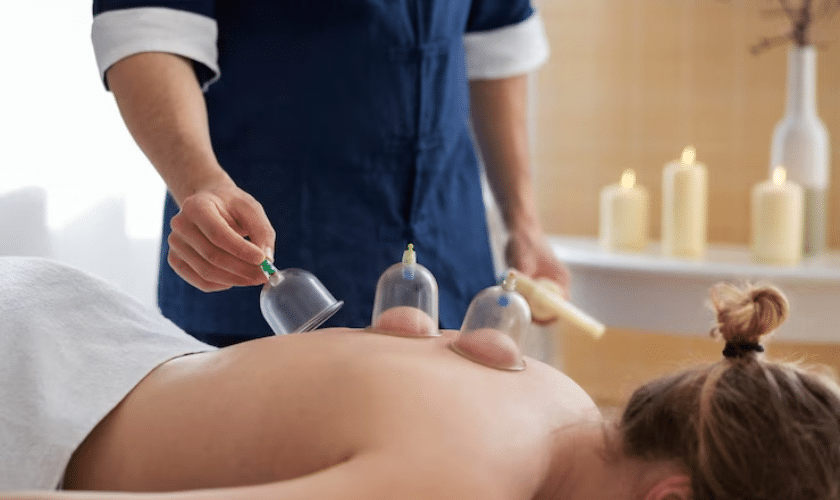
Cupping therapy may be just what you need to improve your mental health if you are struggling with anxiety, stress, or depression. This traditional Chinese medicine (TCM) practice involves placing cups on the skin and creating a vacuum that pulls the skin upward. This helps to stimulate blood flow, release tension, support the body’s natural detoxification process, and promote healing.
How Cupping Therapy Works for Mental Health
The tension release, improved blood flow, and toxin removal achieved in a cupping therapy session help to alleviate symptoms of anxiety, stress, depression, and insomnia by stimulating blood flow, relaxing the muscles, and promoting detoxification.
|
Mechanism of Action |
Description |
|
Stimulates Blood Flow |
Increased blood flow leads to improved oxygenation at the site of cupping. This enhances overall energy levels and mood. |
|
Relaxes the Muscles |
Suction helps to release muscle tension. If the body is more relaxed, the mind will follow suit. |
|
Promotes Detoxification |
Suction promotes lymphatic drainage. This is the method by which fluids containing toxins and waste products move to the lymph nodes to be filtered through the liver and kidneys. Supporting the body’s natural detoxification process may help to reduce inflammation and tension. |
Types of Cupping Used for Anxiety and Mental Wellness
Various types of cupping are used to reduce anxiety, stress, and depression based on your individual needs and the practitioner's preference.
Dry Cupping: Dry cupping uses suction to pull on the skin and the tissues underneath. This improves blood circulation and relaxes the muscles.
Wet Cupping: Wet cupping involves making small incisions in the skin before applying the cups. This is traditionally believed to draw out toxins and stagnant blood.
Fire Cupping: Fire is placed inside a glass cup. The cup is then placed on your skin. The fire inside the cup creates a vacuum while the heat promotes circulation and muscle relaxation.
Flash Cupping: This method uses fire to create a vacuum as with standard fire cupping. The difference is that the cups are removed as soon as suction has been achieved. The cups are then quickly reapplied to the skin or moved to an adjacent spot. This fast and rhythmic method promotes circulation in the area and downregulates the nervous system, improving energy levels and mood.
Kinetic Cupping: Kinetic cupping combines cup application with the movement of specific body parts, usually ones that are tense or injured. It also releases knots and promotes healing in soft tissue injuries. This technique calms the nervous system and lowers cortisol levels, reducing stress and boosting mood.
Benefits of Cupping Therapy for Anxiety, Stress, and Depression
Cupping therapy benefits mental health via nervous system regulation and reduced cortisol levels, muscle relaxation, improved lymphatic drainage, better sleep, and improved energy.
Cupping Shifts the Nervous System to a Parasympathetic State
The skin stimulation during a cupping session increases parasympathetic nervous system activity (Section 3.1. Cupping therapy effects). As the parasympathetic nervous system takes over, it slows down the body’s “fight or flight” response and brings calm, reducing stress and cortisol levels. Cortisol, "the stress hormone," contributes significantly to feelings of anxiousness or sadness when levels are high.
Cupping Promotes Muscle Relaxation
Our muscles tend to tense up and become painful when we are stressed. The suction from cupping lifts and opens up the tissues, reducing pressure and increasing blood flow. The physical release of tension achieved through soft tissue manipulation signals the brain to release mental tension via the autonomic nervous system.
Cupping Encourages Lymphatic Drainage
The negative pressure from cupping lifts the skin and superficial fascia (the loose tissues that connect the skin to the underlying structures). This opens up lymphatic vessels, increasing lymphatic drainage (The medical perspective of cupping therapy: Effects and mechanisms of action, Section 3.5.5).
Lymphatic drainage is the process in which lymph fluid flows through the body’s tissues, collecting toxins and metabolic waste.
Toxin release occurs when the lymphatic system takes the body’s accumulated waste and toxins from the tissues to the bloodstream to be filtered by the liver and kidneys and expelled.
Supporting lymphatic drainage reduces stress because stress hormones and the metabolic byproducts of anxiety are moved more efficiently to the liver and kidneys to be broken down.
Cupping Supports Better Sleep Quality
Another benefit of cupping therapy for anxiety, stress, and depression is its ability to promote better sleep quality. Cupping’s stimulation of the parasympathetic nervous system creates calm in the body and mind. This is helpful for people who lie awake with racing thoughts or restlessness.
Cupping Improves Energy Levels
Cupping is thought to increase energy and reduce fatigue:
By improving sleep quality
By stimulating the nerves (See the Discussion section)
By improving circulation and the delivery of oxygen to the tissues
By encouraging the efficient removal of waste via the lymphatic drainage system
What to Expect in a Cupping Session for Mental Health
Cupping sessions for mental health generally follow a set process. For clinic-specific details, ask when you book your first cupping session.
Interview: The practitioner will ask you about your symptoms and take a brief medical history to make sure cupping therapy is appropriate for you.
Preparation: The therapist will invite you to lie down and expose the area of skin to be worked on. They will then clean your skin.
Acupuncture: If cupping and acupuncture therapies are combined, acupuncture will generally be performed first.
Cup Placement: The cups (made from glass, plastic, or silicone) will be placed on your skin. The practitioner will use heat or air pressure to create suction, pulling your skin upward. This draws up the underlying tissues, increasing circulation to the area. Cupping generally lasts for 10-30 minutes. The cups may be moved or left in place, depending on the technique used.
Cupping Experience: The cupping session should not be painful. You will feel initial tightness as the suction pulls up the skin and tissues. This should then turn into a feeling of release and relaxation.
Complementary Therapies: In some clinics, the practitioner may provide additional therapies, such as electric stimulation, gua sha, or light body work, after the cups are removed.
Post-Treatment Instructions: The practitioner may provide after-care instructions.
Frequency of Cupping Sessions for Mental Health
The frequency of cupping sessions for mental health differs between individuals. The general recommendation is to start with weekly sessions, tapering down to monthly as your mental health or stress levels improve.
Side Effects of Cupping for Anxiety
Cupping has some mild side effects that usually resolve on their own. The suction created in a cupping therapy session causes temporary bruising or discoloration of the skin. This generally takes three to 10 days to resolve and will clear up on its own. Staying well hydrated may speed up this process.
Less common side effects of cupping therapy include:
Skin irritation, including itchiness or soreness
Systemic symptoms, such as dizziness, nausea, sweating, or mild fatigue. These should only be felt during or immediately after the session.
Please note: Most people find that the benefits they experience from cupping far outweigh any side effects.
Safety and Medical Considerations With Cupping for Anxiety
Cupping therapy is a safe and non-invasive way to reduce anxiety, stress, and depression. If you're interested in trying it, look for a qualified practitioner to guide you through the process.
Individuals with the following medical conditions should avoid undergoing cupping unless specifically advised by a medical professional:
Bleeding disorders
Heart disease
Severe anemia
Active skin conditions
Pregnancy
The presence of a pacemaker
Cupping is best used in combination with other treatments rather than as a standalone solution for mental health conditions. This modality complements acupuncture, mindfulness practices, yoga, psychotherapy, lifestyle modifications, and conventional medicine.
Remember: Addressing the root causes of your anxiety, stress, or depression will provide the most effective and longest-lasting relief.
Incorporate Stress-Relief Practices Into Your Daily Life
Support your mental health day to day with lifestyle-based stress-relief practices.
Breathing exercises: Any type of breathing in which the exhale is longer than the inhale helps to calm your nervous system.
Progressive muscle relaxation (PMR): This involves intentionally tensing and relaxing each muscle group in your body, starting at your toes and working your way up. Hold each contraction for three seconds. This reduces muscle tension and cortisol levels.
Mindfulness: There are many ways to practice mindfulness. The aim is to focus on the present moment. Be aware of your thoughts coming and going. Watch them pass, without judgement or trying to hurry them away. This reduces anxiety and stress.
Gentle movement: This can be anything from yoga and stretching to walking around your garden. Moving your body increases blood flow, improving energy and reducing stress.
Try Cupping Therapy for Improved Mental Health
Cupping therapy is an effective and natural way to improve mental health by promoting nervous system regulation and relieving muscle tension. It has been used for centuries in many cultures and has more recently gained popularity as a complementary therapy in the Western world. Incorporating regular cupping sessions into your self-care routine may lead to improved mental well-being and increased relaxation in both mind and body.
If you are interested in trying cupping therapy for anxiety, stress, or depression, find a qualified practitioner to guide you through the process safely. And remember that while cupping therapy may not work for everyone or every condition, it’s well worth trying if you're looking for safe alternatives to improve your overall well-being.
