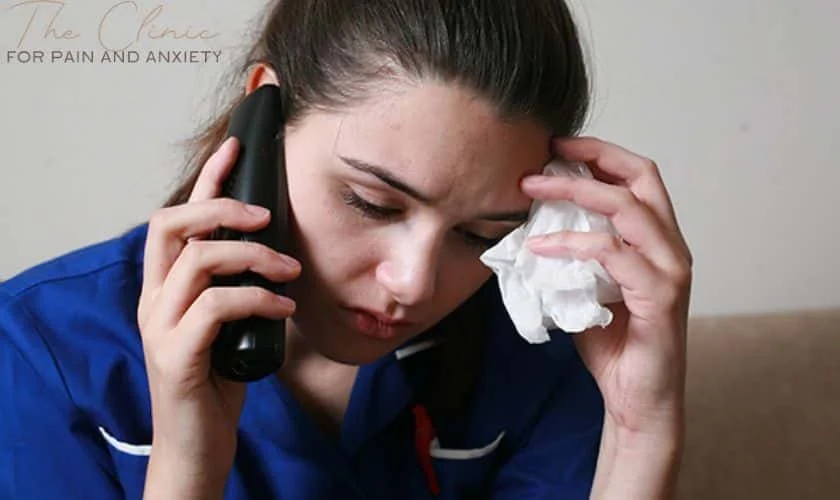
Stress and anxiety can cause physical pain, especially if you experience these mental states chronically (long-term). The most common types of pain experienced as a result of psychological distress include joint pain, muscle aches, muscle tension (including headaches), general inflammation, and abdominal cramps.
The connection between pain and chronic mental states like stress or anxiety is due to shared brain networks. When stress persists over time, this puts the nervous system in a state of high reactivity, and the brain starts to misinterpret regular sensory inputs from the body as painful.
Identifying the root cause of your stress is crucial in breaking this cycle and reducing the amount of pain you experience.
Physical Pain Symptoms That Are Linked to Anxiety
Many common types of physical pain may result from anxiety. These include:
Muscle tension, often in the neck and shoulders, and tension headaches: The body’s natural response to stress is to tense up. When we’re tense for long periods, this can trigger tension headaches, migraine headaches, and pain in the lower back and upper extremities.
Joint pain: Muscle tension puts strain on joints, leading to increased joint pain over time.
Muscle aches: Muscle tension means muscles are contracted. In this state, they create lactic acid, which produces muscle aches.
Abdominal pain: When you are stressed and your nervous system is in “fight or flight” mode, blood flow is moved away from your digestive system. This changes how your gut muscles contract, causing pain, bloating, and cramping.
General inflammation: The body produces inflammation when it is in the “fight or flight” state.
Nerve pain: Nerve pain may develop over time due to compression from muscle tension, increased inflammation, or poor sleep due to stress not allowing the nerves to repair themselves overnight.
Other physical symptoms linked to anxiety include:
Loss of sleep: You may find yourself lying awake with thoughts racing through your mind.
Lethargy: Insufficient sleep, decreased physical activity, and comfort-eating from stress or pain lead to increased tiredness.
Mood problems: Anxiety commonly occurs alongside depression and irritability.
How Anxiety Causes Chronic Pain Symptoms
There are several ways in which stress and anxiety cause chronic pain:
Stress and anxiety put our body into “fight or flight” mode. This response forces the body to pump extra cortisol and adrenaline into the bloodstream. These hormones lead to inflammation, which is a common cause of chronic pain.
Stress causes the muscles to tense up. Tense muscles lead to headaches and pain in the neck, back, and shoulders. Muscle tension also causes joint pain.
The nervous system is also affected by stress and anxiety. The nervous system communicates with the brain to send and receive sensory data. When the body is in a state of stress, this data is impacted, and the nervous system processes pain signals differently. This could result in feeling pain when there is no bodily injury, or in regular pain levels being amplified.
How to Tell If Your Physical Symptoms Are Anxiety-Related
The relationship between our mental and physical states is complex. To work out whether your physical symptoms are anxiety-related, keep a journal, look for common anxiety-related physical symptoms, see a medical doctor, and consult with a mental health professional.
Keep a journal noting the times and situations when the pain changes. Anxiety-related pain often worsens when you’re stressed and improves when you’re distracted. If there’s no physical mechanism for the pain, you may notice that it shifts around rather than always occurring in the same spot.
Look for the most common physical symptoms of anxiety. Look for aching muscles and muscle tension as well as headaches. Are you experiencing nervous system overload exhibited as nausea, irritable bowels, dizziness, a racing heart, and rapid breathing?
See a medical doctor and tell them about your symptoms. A medical professional will be able to rule out a physical cause and evaluate the possibility of a mental health condition. They will look for generalized anxiety disorder (GAD) and/or identify other possible causes of the pain.
Seek out a mental health professional if referred by your doctor, or if you think it would be helpful for you.
Lifestyle Strategies to Manage Stress and Anxiety
Anxiety management requires a multi-layered approach, including lifestyle changes, daily management strategies, and professional support if needed.
Movement: Aim for 30 minutes of any type of physical movement or exercise most days.
Breathing: 4-7-8 and box breathing are great for calming the nervous system.
Meditation: Try any kind of mindfulness practice such as progressive muscle relaxation (PMR) or simply focus on being present and notice your thoughts flow through you.
Yoga: The combination of physical movement, mindfulness, and breathwork is great for calming the nervous system.
Complementary Therapies: Book a cupping session or acupuncture appointment for anxiety and stress. These traditional Chinese medicine (TCM) modalities reduce nervous system activation, turn down the “fight or flight” response, and restore balance to the body and mind.
Nutrition: Eat a balanced diet of protein, carbs, and healthy fats. Limit stimulants like caffeine.
Spending time in nature: Being in nature is shown to reduce stress levels.
Good sleep hygiene: Get up and go to bed at the same times every day. Reduce or eliminate exposure to blue light from screens in the hour before bed.
Journaling: Try a defined method like stream of consciousness journalling, or write out all of your worries onto the page to get them out of your head.
Setting healthy boundaries with your time: Say “no” when you don’t have capacity and build margin into each day to reduce feelings of overwhelm.
Connect with loved ones: Surround yourself with a good support network. Taking time to spend with those who energize you, and playing with pets, reduces stress.
Professional support: Find a licensed therapist who specializes in anxiety to help you understand your triggers and manage your symptoms long-term.
Can Chronic Pain Cause Anxiety?
The relationship between anxiety and chronic pain also goes the other way. Many folks living with chronic pain also deal with anxiety or depression. A 2025 study shows that 39.3 percent of chronic pain sufferers had symptoms of clinical depression, and 40.2 percent displayed clinical anxiety (See the results section of the abstract).
Chronic pain is characterized by persistent or recurring pain that has lasted at least three months. People feel frustrated when they are constantly in pain, especially if medical professionals aren’t taking their pain seriously.
Pain that is not yet diagnosed or understood naturally causes concern and may lead to health anxieties. Even after a diagnosis, the daily demands of living with a chronic illness create challenges and increase stress.
Several psychological conditions are associated with chronic pain. These include:
Generalized anxiety disorder (GAD)
Post-traumatic stress disorder (PTSD) and complex post-traumatic stress disorder (CPTSD)
Depression
Panic disorder
These mental health conditions and chronic pain make each other worse, leading to a vicious cycle.
Treatments for Stress and Anxiety Linked to Physical Pain
It’s important not to let stress or anxiety about your chronic pain take over. This creates a loop of pain causing anxiety, and anxiety causing more pain.
Some ways to manage the stress and anxiety stemming from chronic pain include:
Cognitive behavioral therapy (CBT) and acceptance and commitment therapy (ACT): CBT focuses on changing patterns of thinking, behaving, and emotional responses. ACT is about accepting that which we cannot change, and changing the things that we can.
Complementary therapies: Try cupping and acupuncture to help with nervous system regulation and relax the muscles. Acupuncture offers several benefits for anxiety, stress, and pain, including lowering the body’s stress response, releasing physical tension, and triggering the release of endorphins (the body’s feel-good chemicals).
Lifestyle and pacing: Identify what triggers your chronic illness to flare up, find ways to reduce or work around them, and pace yourself.
Sleep: Make sure your routine is set up to support a good night’s sleep. Sufficient quality sleep, or the lack of it, has the power to make everything significantly better or worse.
Prescriptions: Some antidepressants treat both anxiety and nerve pain. This may be a helpful option for some patients, if recommended by a psychiatrist.
When to See a Doctor
If pain is not going away on its own after a few days, or you're concerned about it, it’s best to visit your physician. This is especially true if:
Your symptoms persist or get worse despite efforts to manage your stress
You’re also experiencing numbness or muscle weakness
You have distressing thoughts
Address the Root Causes of Anxiety and Pain
Managing chronic pain is certainly a challenge, and one that is all the more difficult when stress and anxiety are in the mix. To avoid getting into a cycle in which pain and anxiety exacerbate each other, you must understand the cause of your anxiety and your pain, and do your best to manage each of them.
The best management strategies often incorporate multiple modalities. Make any lifestyle changes you need to and see your chosen health professionals regularly. Attend therapy when needed, and include stress relief activities and alternative therapies, such as acupuncture and cupping, in your routine.
