9 Common Conditions That Can Be Treated With Acupuncture
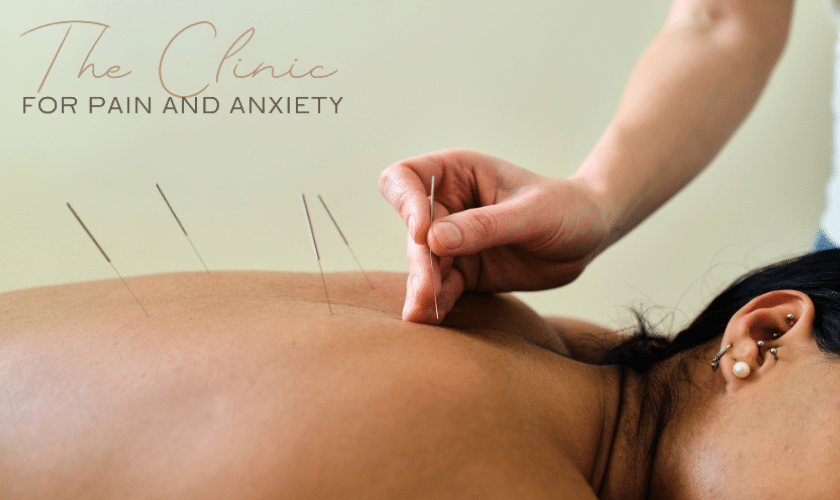
Acupuncture is a form of traditional Chinese medicine (TCM) that has been used for centuries to treat various conditions. It involves the insertion of thin needles into specific points on the body. This practice has become popular in the alternative medicine space in Western countries.
Acupuncture is said to stimulate the release of endorphins, which are natural pain-relieving chemicals. It is also thought to improve circulation and boost the immune system.
The action of putting needles into tight muscles in an acupuncture session causes them to temporarily spasm and then release. This directly alleviates tension and the associated pain. Muscle guarding (an involuntary muscle tightening around a painful or injured area) is also reduced through the calming of the nervous system.
Acupuncture can be used to treat mental health concerns such as depression and anxiety. It is also commonly used to relieve nausea and various types of pain, including headaches, menstrual cramps, tennis elbow, and carpal tunnel syndrome.
Though many people see acupuncture as another tool to help with mental and physical challenges, there is more to the practice for those who are interested. It is thought of as a holistic modality that harnesses the natural energy or “life force” known as qi (pronounced "chee") that flows through the body. This life force is believed to influence our health. When qi becomes unbalanced, we may experience pain or illness. When qi is balanced, we are healthy.
Mental Health Conditions That Acupuncture Can Treat
Going for an acupuncture session may help with several mental health conditions:
Stress and anxiety
Depression
Insomnia
Post-traumatic stress disorder (PTSD)
Acupuncture is best used alongside other treatments, such as psychotherapy, medications, and lifestyle changes.
Stress and Anxiety
Stress and anxiety are two very common conditions that can be treated with acupuncture. Both stress and anxiety potentially lead to a variety of health problems, including high blood pressure, heart disease, and depression.
Booking a series of sessions of acupuncture for stress relief or acupuncture for anxiety provides relief by bringing balance to the nervous system. Acupuncture also modulates adaptive neurotransmitters. These are the chemical messengers that help the brain adjust to stress.
Insomnia
Whether the issue is getting to sleep or staying asleep, acupuncture is widely thought to improve the symptoms of insomnia. Acupuncture for insomnia helps by regulating sleep hormones and neurotransmitters that support the body’s internal sleep cues. It also lowers sympathetic nervous system activity, promoting relaxation. The flow-on effects of poor sleep should improve as your sleep does.
Depression
Acupuncture for depression helps by:
Regulating neurotransmitters
Downregulating the nervous system to pull it out of fight-or-flight mode
Lowering stress hormones
Reducing chronic inflammation
Acupuncture is most helpful for depression when used in conjunction with psychotherapy and medication.
Post-Traumatic Stress Disorder (PTSD)
Acupuncture for PTSD helps with anxious and depressive symptoms of post-traumatic stress disorder, especially when combined with cognitive behavioral therapy (CBT) and/or medications. Its beneficial effects come from three main mechanisms of action:
Calms the fight-or-flight response and increases the rest-and-digest state of the nervous system.
Encourages the release of the mood-improving hormones dopamine, serotonin, and endorphins while lowering cortisol levels.
Helps with the insomnia and nightmares that commonly occur with PTSD.
Physical Conditions That Acupuncture Can Treat
Acupuncture is used to treat many physical health conditions:
Chronic pain: Acupuncture is a popular treatment for chronic pain, especially lower back pain, neck pain, and joint pain.
Headaches and migraines: Acupuncture can help to relieve migraines and headaches.
Digestive issues: Acupuncture is used for a range of digestive ailments, including irritable bowel syndrome (IBS), chronic gastritis, Crohn's disease, hemorrhoids, and diarrhea.
Respiratory issues: Acupuncture is currently being used for various respiratory complaints, although the research is still evolving.
Infertility: Acupuncture is popular as a treatment for infertility, regardless of the cause.
Chronic Pain
Acupuncture is frequently used to treat chronic pain. It is a drug-free option, which is attractive to people who want to avoid the side effects of pain medications. The needles help with pain by stimulating the release of endorphins (natural pain-relieving chemicals), relaxing the muscles, increasing blood flow, and reducing inflammation.
In an acupuncture session, needles are strategically placed along the energy pathways, or meridians, that flow through the body. This allows the practitioner to target specific sore points while simultaneously easing a wide variety of pains, including arthritis, lower back pain, muscle cramping, neck pain, sciatica, and general pain.
Additional benefit: As fatigue is directly worsened by chronic pain, reducing pain with acupuncture may also help with tiredness.
Headaches and Migraines
Acupuncture can be an effective treatment for headaches and migraines. A 2026 study published by the JAMA Network Open found that participants who engaged in real acupuncture treatment experienced less frequent migraines (Abstract, “Main Outcomes and Measures”). They also required acute pain medication on fewer days and rated their pain as less severe than it was prior to acupuncture. There was a vast difference between the results of the real acupuncture group and the control group that received sham acupuncture.
Digestive Issues
Acupuncture is often used to treat digestive issues such as irritable bowel syndrome (IBS), chronic gastritis, Crohn's disease, hemorrhoids, and diarrhea.
This review found that, while not directly “fixing” the stomach, acupuncture indirectly helps by working on other systems that affect digestion. These include calming the nervous system and stress levels, reducing inflammation, improving blood flow, reducing pain sensitivity, and improving stomach motility (the coordinated movement of the stomach muscles) through the autonomic nervous system.
Respiratory Issues
Emerging evidence suggests that acupuncture may help with respiratory conditions such as allergic rhinitis, sinusitis, and bronchitis. It alters the immune system response, which may reduce airway inflammation.
Research into acupuncture for respiratory issues is still evolving. It is prudent to try acupuncture alongside conventional medical care, not as a replacement. If you are experiencing an acute respiratory problem like shortness of breath or an asthma attack, seek urgent medical care.
Infertility
Acupuncture is often used as a treatment for infertility, whether the cause is a hormonal imbalance, inflammation, or subpar sperm quality. By stimulating specific points in the body, acupuncture for fertility helps to activate the endocrine system and improve blood circulation to the reproductive organs. This may promote ovulation in women and sperm motility, concentration, and morphology in men, increasing the chances of conception.
Safety and Side Effects of Acupuncture
Acupuncture is considered a safe, low-risk treatment when performed by a qualified practitioner in a clinic that follows proper safety protocols. The most common side effects of acupuncture are brief. They include bleeding, bruising, soreness, or tingling at the needle site. More serious but rare side effects include fainting, dizziness, or nerve damage. These side effects are extremely unlikely if you work with a licensed acupuncturist.
Treat a Wide Range of Conditions With Acupuncture
Acupuncture is used to treat many common conditions and ailments, often alongside therapies like psychotherapy and medications. Numerous studies have shown the effectiveness of acupuncture for everything from anxiety to pain relief and digestive issues.
As long as it is performed by a qualified and experienced acupuncturist, there are very few side effects associated with this treatment. With its wide range of benefits, more people should consider giving acupuncture a try when dealing with common mental or physical health conditions such as anxiety, lower back pain, and fatigue.
