Is Joint Pain Affecting Your Daily Activities?
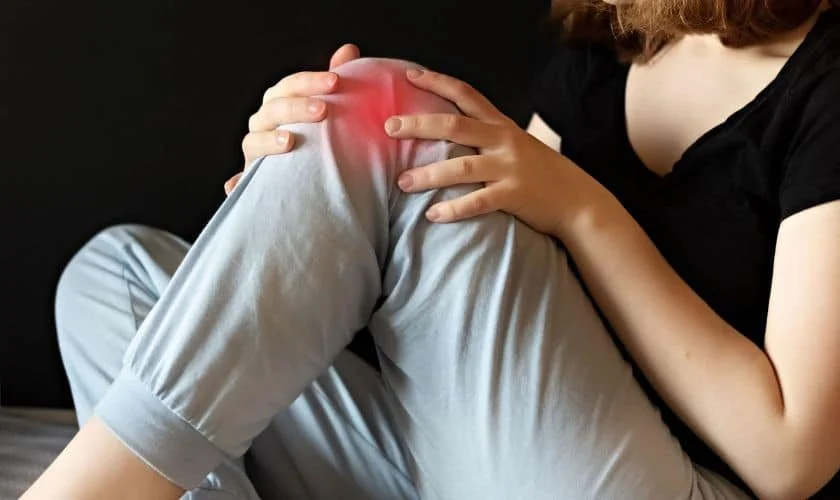
Living with joint pain can be difficult and greatly affect your quality of life. It’s important to be aware of the causes and treatments available so that you can manage this condition. This article will explain joint pain, its causes, and how it affects daily activities, treatments, and preventive measures.
Joint pain is a common problem many experiences at some point in their lives. An underlying medical condition or injury usually causes it, but it may also be due to genetic factors or age-related wear and tear on the joints. In any case, it can cause significant discomfort and interfere with everyday activities if not treated properly. There are several treatments and preventive measures that can help manage this.
What Is Joint Pain?
Joint pain is discomfort or ache in any of the body’s joints, such as the hips, knees, elbows, and shoulders. It can range from mild to severe and may be accompanied by swelling, stiffness, and redness around the affected area. The cause of joint pain depends on its type – it may be due to an injury or medical condition or simply because of aging-related wear and tear on the joints.
How Does Joint Pain Affect Daily Activities?
Living with joint pain can be difficult and greatly affect your quality of life. People who suffer from this condition may have difficulty performing everyday tasks such as walking, climbing stairs, carrying groceries, or even getting out of bed. In some cases, the pain can be so severe that it may prevent them from working or engaging in recreational activities.
Treatments and Preventive Measures
There are several treatments available for joint pain, depending on its cause. Non-steroidal anti-inflammatory drugs (NSAIDs) can reduce inflammation and relieve pain. Physical therapy is also a common treatment option that can help strengthen the muscles around the affected joints and improve the range of motion. Other treatments include injections, braces, and orthotics to provide support for the joints. In more severe cases, surgery may be necessary to repair damage or replace a damaged joint.
In addition to these treatments, there are preventive measures you can take to reduce the risk of joint pain. Regular exercise can help keep your joints flexible and strengthen the muscles around them. You should also maintain a healthy weight to reduce strain on your joints. Additionally, wearing supportive shoes or orthotics when engaging in activities that pressure the joints is important.
The Bottom Line
Joint pain is a common condition caused by an injury, medical condition, or age-related wear and tear on the joints. It can interfere with daily activities if not managed properly, so it’s important to be aware of the available treatments and preventive measures. With proper care, people suffering from joint pain can live more comfortably and continue to participate in activities that they enjoy.
FAQs
1. What are the most common causes of joint pain?
The most common causes of joint pain are age-related wear and tear on the joints, medical conditions such as arthritis, bursitis, or gout, and injury or overuse of a joint.
2. How can I manage my joint pain?
Several treatments are available for managing joint pain, such as medications, physical therapy, and injections. Additionally, there are preventive measures you can take, such as exercising regularly, maintaining a healthy weight, and wearing supportive shoes or orthotics when engaging in activities that put pressure on your joints.
3. Is surgery an option for treating joint pain?
In some cases, surgery may be necessary to repair damage or replace a damaged joint. However, this is usually only recommended if other treatments are ineffective in managing joint pain.
