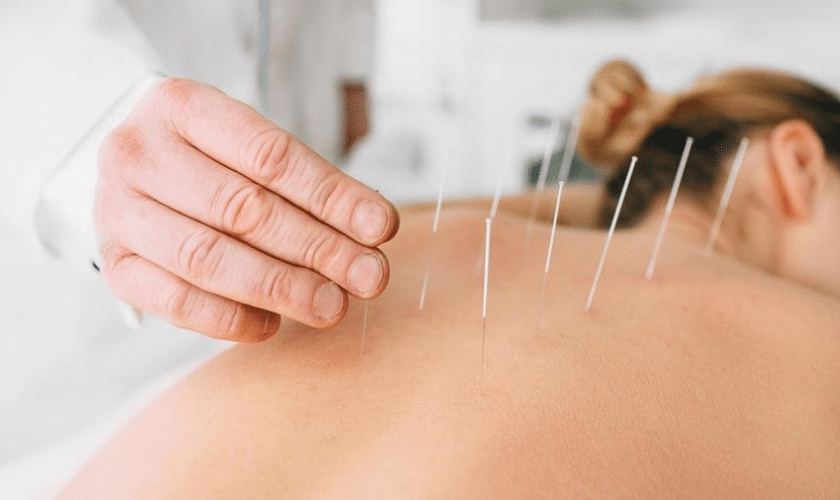
Acupuncture offers a natural way to manage stress and anxiety. This modality has been used for centuries in traditional Chinese medicine (TCM) to balance the body's energy flow and promote relaxation.
Acupuncture uses needles to stimulate specific points in the body to relieve symptoms of mental health conditions and chronic pain. It is believed to work by releasing endorphins. These are neurotransmitters that are responsible for pain relief and calming the nervous system.
Anxiety, stress, depression, and trauma can have serious, long-term effects on physical and mental health if left unaddressed. While medication is often prescribed, many people try alternative methods, such as acupuncture. Whichever treatment methods you try, getting control of anxiety and stress will make a significant and positive impact on your overall well-being.
Acupuncture may cause mild side effects for some patients, including minor bleeding, bruising, local soreness, dizziness, and fainting. These side effects can largely be avoided by working with a licensed acupuncturist. The benefits of the treatment generally outweigh any temporary discomfort.
How Acupuncture Helps With Stress and Anxiety
Acupuncture helps to decrease stress and anxiety in several ways:
Central Nervous System: The skin and nerve stimulation signals to the brain to calm the sympathetic nervous system (SNS) and increase the parasympathetic nervous system (PNS). This helps to move your body from being in a “fight or flight” state to being in a “rest and digest” state.
Neurotransmitters: The same skin and nerve stimulation that alters the nervous system also regulates the release of neurotransmitters serotonin, dopamine, and GABA that improve mood.
Reduced inflammation: Stress often causes general inflammation in the body. Natural anti-inflammatory molecules are released when the nerves in the skin are stimulated.
Types of Acupuncture Used for Anxiety and Stress
Several types of acupuncture are typically used for stress and anxiety relief. Each has different benefits and considerations. When you receive acupuncture treatment for anxiety, ask which types of acupuncture are available and recommended for your symptoms.
|
Type |
Description |
Benefits |
Considerations |
|
Traditional Chinese Acupuncture (TCA) |
Needles are inserted into specific points on the body. |
Most effective type of acupuncture for the treatment of stress and anxiety |
May take longer to achieve results than other types of acupuncture |
|
Auricular Acupuncture |
Needles are placed on the earlobes. |
Less invasive than TCA |
May not be as effective for stress and anxiety as other types of acupuncture |
|
Moxibustion Acupuncture |
This form of acupuncture uses herbs or heat pads. |
Best type of acupuncture for pain relief |
Less effective for treating stress and anxiety than other types of acupuncture |
Frequency of Acupuncture for Stress and Anxiety
The frequency of acupuncture sessions for stress and anxiety is greater at the beginning and tapers over time.
Initial Phase (first month): One to two sessions per week is optimal to help shift your nervous system out of “fight or flight” mode. This frequency also reduces shallow breathing and muscle tension.
Consolidation Phase (second month): Sessions can be reduced to weekly or every second week while results stabilize.
Maintenance Phase (third month onward): Sessions once or twice a month are ideal to maintain the results and prevent a new buildup of stress.
8 Benefits of Acupuncture for Stress and Anxiety
There are many reasons why people may want to try acupuncture for stress and anxiety relief, including its ability to lower the body’s stress response, promote relaxation, relieve physical tension, and improve mood.
1. Reduces Anxiety Symptoms
Research has found that manual acupuncture reduces anxiety in the short term with better results than placebo treatments (See the abstract). Further study is needed to learn about the long-term efficacy of acupuncture for anxiety reduction.
In a review of studies of patients with generalized anxiety disorder (GAD), acupuncture was found to reduce anxiety symptoms more than controls (See the abstract). It also showed good tolerance and safety for the treatment of GAD.
2. Lowers the Body's Stress Response
Acupuncture has been associated with stress reduction through the lowering of the stress hormone cortisol (according to the study The Effectiveness of Auricular Acupuncture on the Levels of Cortisol in a Depressed Patient by Pirnia, et al., 2019). This results in people feeling calmer and less overwhelmed. A secondary finding of this study was that acupuncture also lowers the rates of suicidal ideation.
3. Promotes Relaxation and Calm
Patients often note how calm they feel during and after acupuncture sessions. Some even fall asleep on the table. Acupuncture’s relaxing effects help reduce anxiety and promote sleep quality, and it also releases muscle tension.
4. Improves Mood and Emotional Wellbeing
Acupuncture is linked to improved mood, increased feelings of well-being, and greater emotional balance. Research suggests it influences serotonin levels, which play a role in mood regulation. Acupuncture is found to be a great additional treatment for depression and other mental health issues. However, it is not meant as a substitute for medical treatment.
5. Relieves Physical Tension Associated With Stress
Stress and anxiety often cause muscle tension and discomfort. Acupuncture helps reduce nervous tension in the body. This contributes to a greater sense of relaxation, as the body and the mind often take their cues from each other.
6. Supports Improved Sleep
Acupuncture has been reported to improve sleep quality. Better sleep makes it easier to cope with stress and may reduce anxiety symptoms over time. Conversely, poor sleep is linked to increased levels of stress and anxiety. Getting a better night’s sleep is often the best thing you can do for any mental or physical challenge.
7. Triggers the Release of Natural Feel-Good Chemicals
Electroacupuncture stimulates the release of endorphins (see Section 1.1.1.2. Electrical stimulation). These are the body's natural pain-relieving and mood-enhancing chemicals. Endorphins increase feelings of relaxation, comfort, and general well-being.
8. Provides a Low-Side-Effect Treatment Option
Acupuncture is generally considered a low-risk treatment with only very mild side effects, if any. This makes it an appealing option for people who are concerned about the potential side effects of pharmaceutical medications. Some antidepressant and anti-anxiety medications are not safe for use during pregnancy. Acupuncture is a good alternative for expectant mothers, as it’s chemical-free and low-risk (See the abstract).
Side Effects and Risks of Acupuncture for Anxiety and Stress
Acupuncture is generally safe. Like any treatment, there are a small number of potential minor side effects and a few very rare risks. These are largely avoidable by going to a licensed acupuncturist.
Side effects:
Minor bleeding
Bruising
Local soreness
Temporary drowsiness or lightheadedness
Risks:
Organ/nerve injury
Infection
Fainting
Complications for those with bleeding disorders, pacemakers, or pregnancy
Safety tip: Make sure your practitioner is qualified so that they know how to avoid injury and infection. Having sound anatomical knowledge and always completing thorough client screenings reduces the risk of harm, as the acupuncturist will know what is suitable and safe to perform on each client.
How to Find a Qualified Acupuncture Practitioner
Choosing the right acupuncturist makes a significant difference to your experience and the results.
Licensing and registration: Make sure your chosen practitioner is licensed or registered and has attained a recognized qualification. This ensures your safety and value for money.
Personalized treatment protocols: Check that they have experience treating your specific mental or physical health issues, and take the time to create a personalized acupuncture treatment plan. The right acupuncturist will aim to help the patient both psych-emotionally and physically.
Read third-party reviews: Make sure to read reviews, and not just look at the star ratings. Reviews will highlight things like their professionalism, communication, personalization, and the amount of care they take. Most importantly, reviews tell you if the practitioners at the clinic actually help clients get the relief they’re looking for!
FAQs
Is acupuncture safe for anxiety?
Yes. Acupuncture is safe for anxiety as long as the practitioner is qualified and experienced in treating patients with this condition.
Does acupuncture hurt?
No, acupuncture should not be painful. Most people report slight tingling when the needles are inserted into their skin.
How long do the effects of acupuncture last?
The effects of acupuncture may not be felt immediately and can vary from person to person. The benefits will often last for several weeks or months following treatment. However, additional sessions may be necessary to maintain relief if symptoms return.
Ease Anxiety and Stress With Acupuncture
Acupuncture treats the underlying nervous-system-related causes of stress and anxiety, rather than just treating the symptoms themselves. This means that acupuncture can be an extremely effective tool to add to your mental health routine.
It is critical to find a qualified practitioner, as this directly affects your experience, results, and safety. Check potential acupuncturists’ licensing and registration, and read independent third-party reviews to ensure you’re in the best of hands.
