What is Cupping Therapy and How Does it Work?
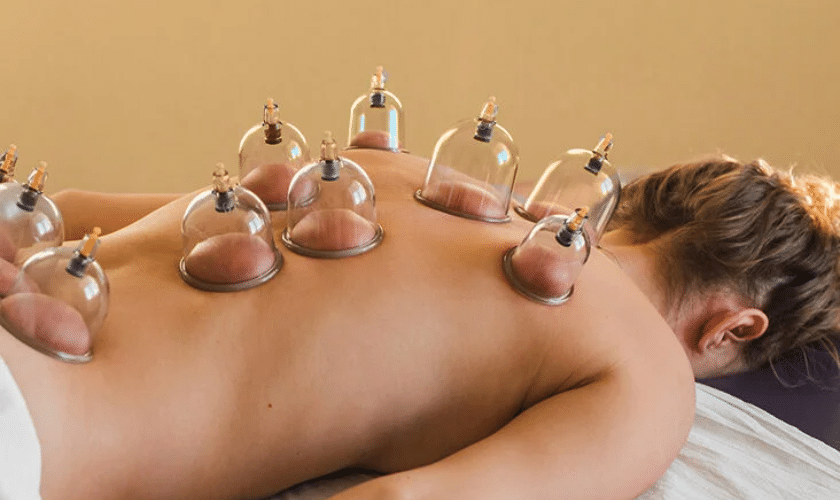
Have you ever seen someone with circular bruises on their skin and wondered what caused them? Chances are, they may have undergone a popular alternative therapy called cupping. Cupping therapy has been around for centuries, but it’s recently gained popularity among athletes and celebrities alike. But what is cupping therapy exactly, and how does it work? In this blog post, we'll delve into the world of cupping therapy to help you understand why so many people swear by its benefits.
What is cupping therapy?
Cupping therapy is an alternative healing practice that involves placing cups on the skin to create a vacuum. This suction effect is achieved by either heating the air inside the cup or using a pump to remove the air. The cups are typically made of glass, bamboo, or silicone and come in different sizes.
The history of cupping therapy can be traced back to ancient Chinese, Egyptian, and Middle Eastern cultures. It’s believed that this technique was used to treat various ailments such as pain, inflammation, and respiratory issues.
Today, cupping therapy is often used for muscle pain relief and relaxation purposes. During a session, the cups may be left on the skin for up to 10 minutes while being moved around in circular motions. Once removed from the skin after treatment has ended, it leaves behind circular bruises which usually disappear within a few days.
While some people swear by its benefits for physical health conditions like migraines and fibromyalgia others believe it has psychological benefits too such as reducing anxiety levels or improving overall well-being.
How does cupping therapy work?
Cupping therapy works by creating a vacuum inside the cups which are placed on the skin. This is done through either heating or suctioning the air out of the cup, causing it to stick to the skin. The vacuum creates negative pressure, which helps to increase blood flow and loosen muscles.
During a cupping session, several cups will be placed on different areas of your body depending on your needs. They may stay in one place for up to 10 minutes or be moved around along specific meridian lines in order to stimulate certain acupressure points.
The increased blood flow and loosened muscles help with pain relief, relaxation, and overall well-being. It is believed that this technique can also help release toxins from your body, though there is little scientific evidence to support this claim.
Cupping therapy has been used for centuries as part of traditional Chinese medicine but has gained popularity worldwide in recent years due to endorsements from celebrities and professional athletes who have claimed its benefits.
While some people experience discomfort during their first few sessions due to the stretching of underlying tissues, most find it a relaxing experience. It's important to note that you should always consult with a licensed practitioner before getting any alternative therapies like cupping therapy.
Is cupping painful?
One of the most common concerns people have about cupping therapy is whether or not it's painful. The truth is, cupping can cause some discomfort, but it shouldn't be unbearable.
During a cupping session, the cups are placed on the skin and suctioned to create a vacuum-like effect. This can cause some pulling sensation on the skin, which may feel uncomfortable for some individuals. However, many people report that this sensation is actually quite soothing and relaxing.
In addition to the initial feeling of suction, some people may experience slight bruising or tenderness in the treated area after their session. This should dissipate within a few days and isn't typically severe enough to interfere with daily activities.
It's worth noting that there are different types of cupping techniques available that vary in intensity and pressure applied during treatment.
It's important to communicate with your practitioner throughout your session if you're experiencing any discomfort so they can adjust accordingly.
While there may be some mild discomfort associated with cupping therapy, many find it to be an effective form of alternative medicine for pain relief and relaxation purposes.
What are the pros of cupping?
Cupping therapy has been around for centuries, and while it is praised by many for its benefits, others have raised concerns about its safety. Here are some pros and cons of cupping therapy.
Pros:
- Pain relief: Cupping is believed to help alleviate pain in the muscles and joints, making it a popular choice for athletes or those suffering from chronic pain.
- Improved circulation: The suction created by the cups can improve blood flow to the treated area, which can aid in healing injuries.
- Relaxation: Many people find cupping therapy to be extremely relaxing and stress-relieving.
Should I get cupping therapy?
If you're considering trying cupping therapy, it's important to do your research and consult with a healthcare professional before proceeding. While many people swear by the benefits of cupping, it may not be the right choice for everyone.
First, consider any underlying health conditions or medications you may be taking that could interact negatively with cupping therapy. It's always best to err on the side of caution and check with your doctor first.
Next, think about what specific issue you're hoping to address with cupping. While it can help alleviate pain and inflammation in certain areas of the body, it may not be effective for other issues such as stress or anxiety.
Additionally, keep in mind that there are potential risks associated with cupping therapy such as skin irritation or bruising. If you have sensitive skin or a low pain tolerance, this treatment may not be appropriate for you.
Ultimately, whether or not you should get cupping therapy depends on your individual health needs and preferences. Be sure to weigh the pros and cons carefully before making a decision.
Takeaway
Now that you have a better understanding of what cupping therapy is and how it works, it's important to consider if it's the right treatment for you.
If you're dealing with chronic pain or tension in your muscles, cupping could be a great option to help alleviate your symptoms. However, keep in mind that everyone's experience with cupping can vary, so it may not work for everyone.
It's always best to consult with a licensed practitioner before starting any new treatment plan. They can assess your individual needs and determine if cupping would be appropriate for you.
Additionally, keep in mind that while there are potential benefits to cupping therapy such as improved blood flow and reduced inflammation, there are also potential risks such as bruising or skin irritation.
Ultimately, the decision whether or not to try cupping therapy is up to each individual person based on their own unique situation and preferences
.Cupping therapy has been used for centuries as a natural healing technique. It involves the use of suction cups to create negative pressure on the skin's surface, which promotes blood flow and stimulates the body's natural healing process.
While there are potential risks associated with cupping therapy, such as bruising or burns from the improper application, many people have reported positive results in treating pain, inflammation, and other health issues.
If you're considering trying cupping therapy for yourself, it's important to do your research and find a qualified practitioner who can provide safe and effective treatment. As with any alternative medicine practice, it's always best to consult with your doctor before beginning any new form of treatment.
Cupping therapy is an intriguing alternative medicine practice that offers unique benefits for those seeking relief from certain conditions. With proper care and attention from a trained professional, it may be worth exploring as part of your overall wellness routine.
